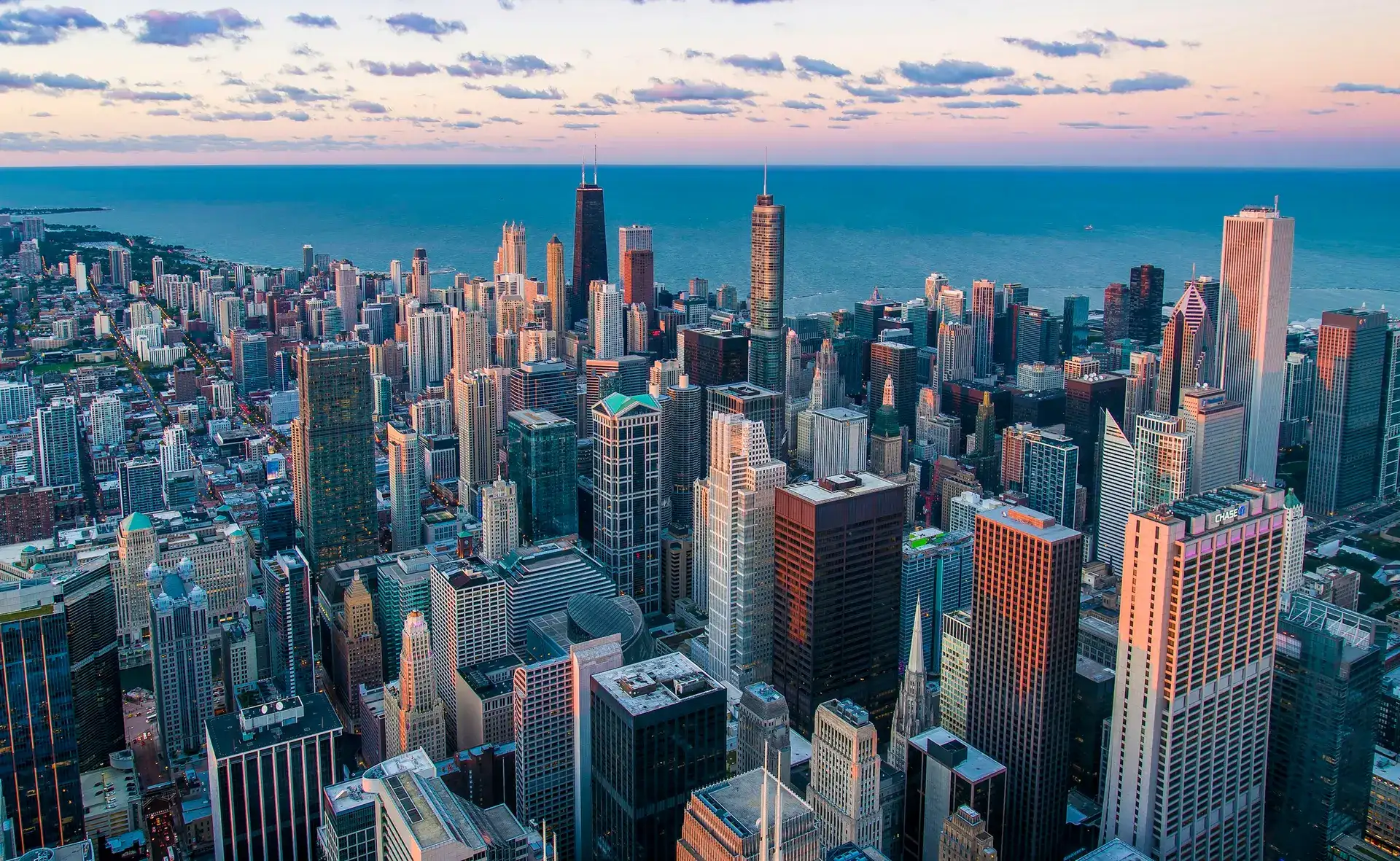
Everyone wants a digital twin of their city. Fewer ask what data it needs, how it stays current, and when a simpler model answers the question better.
The phrase "digital twin" has become the default answer to urban resilience questions, and it is easy to see why: a living, breathing replica of the city, always ready to be stress-tested. The vision is right. The shortcut culture around it is not.
A useful twin is defined by its question, not its resolution. If the question is where hospital capacity fails after a magnitude 7 event, you need reliable building-stock data, road-network topology and casualty models — not photorealistic 3D facades. We have seen projects spend their budget on visual fidelity and have nothing left for the data that actually drives outcomes.
The second pitfall is decay. Cities change; models rot. A twin without a data-maintenance plan is a snapshot wearing a twin costume. Our rule of thumb: if you cannot name who updates a layer and how often, that layer is already stale.
And sometimes the honest answer is that a simpler model is better. A well-calibrated district-scale agent-based model with documented assumptions beats a city-wide twin with silent ones. The goal is not the twin — it is the decision it changes.
Comments
No comments yet — be the first.