

Mohammad Taghi Akbari
Founder and Lead Developer
PhD Candidate in Earthquake Engineering, IIEES
PayaShahr began as a research question at the International Institute of Earthquake Engineering and Seismology (IIEES): what if a city could rehearse its worst day?
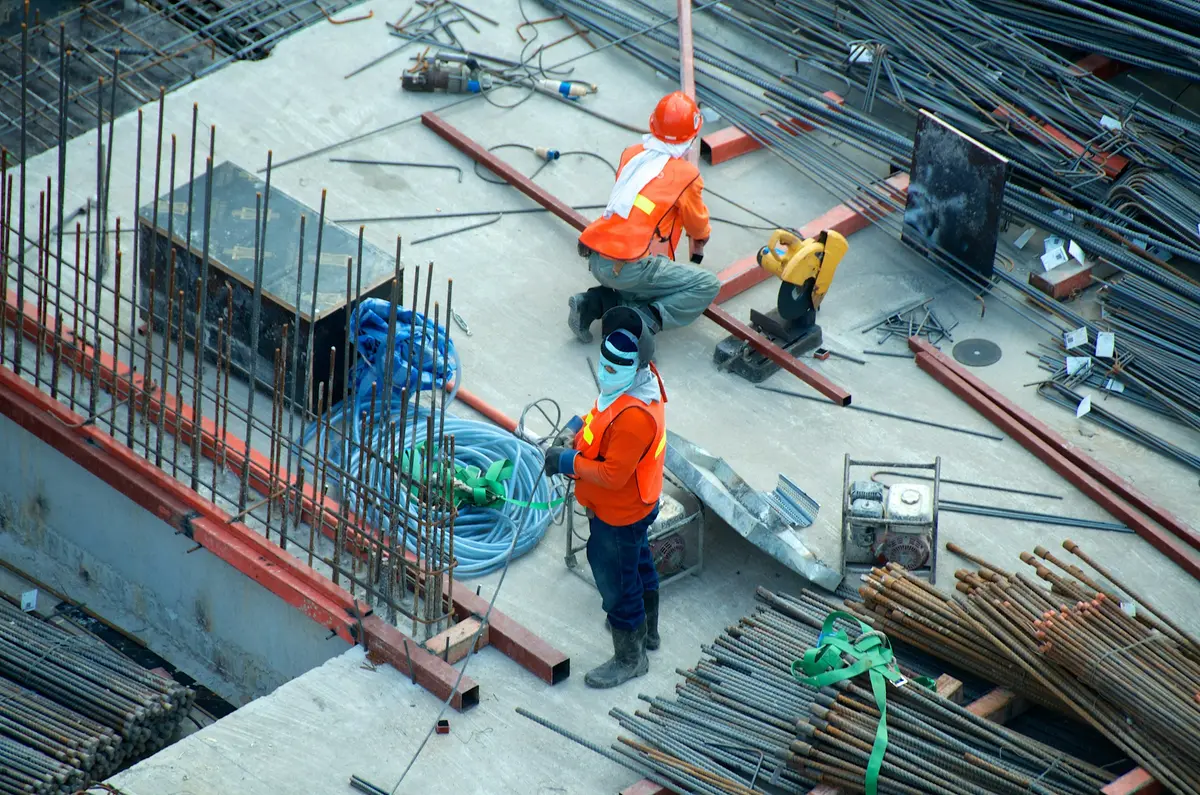
To improve earthquake emergency response and disaster management through science, simulation and smart technology — so that decisions made before the event save lives after it.
A future where every earthquake-prone city can rehearse its response in a trusted digital environment — and where no response plan meets reality for the first time on the day of the disaster.
Earthquakes are not surprises in our region; the surprise is how differently the first hours can unfold depending on decisions made long before. Our founding team — earthquake-engineering researchers and disaster-risk specialists — spent years studying how rescue teams, hospitals and volunteers actually behave after major earthquakes, and how rarely that behavior matches the plans on paper.
So we built a way to test the plans. Starting from research code, we developed an agent-based simulation environment that places thousands of interacting responders, patients and volunteers inside a GIS model of a real city — fed by real data, from satellite-derived damage maps to field reports. What began as an academic tool grew into a platform used for scenario studies, exercises and response planning with municipal partners and research institutions.
Today PayaShahr combines earthquake engineering, geospatial technology and simulation science with a single purpose: emergency response systems that are more effective, more informed and more adaptive — before the next real emergency.
Research project on agent-based post-earthquake response begins at IIEES.
First district-scale pilot simulation.
The PayaShahr platform opens to researchers and response organizations.
Scientific rigorEvery model assumption is documented, validated and recalibrated against real events.
CollaborationWe work alongside researchers, responders and municipalities, not above them.
Real-world impactA simulation matters only if it changes a decision, a route or a plan.
Preparedness cultureWe believe readiness is built in ordinary weeks, not extraordinary days.
Founder and Lead Developer
PhD Candidate in Earthquake Engineering, IIEES

Scientific Advisor
Associate Professor, Disaster and Risk Management, IIEES

Scientific Advisor
Associate Professor, Disaster and Risk Management, IIEES
Tell us about your city, your data and your challenge — we usually reply within two working days.